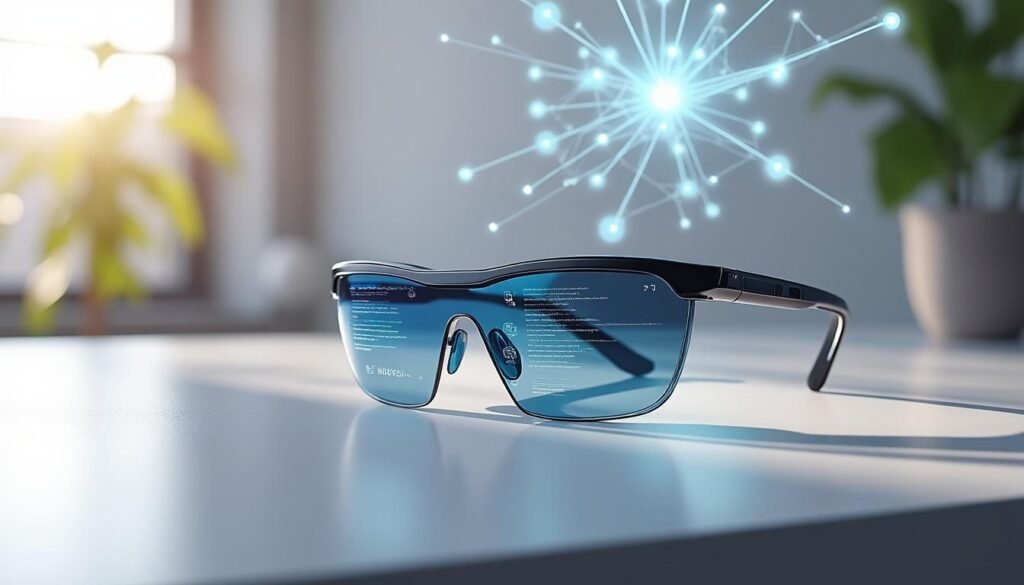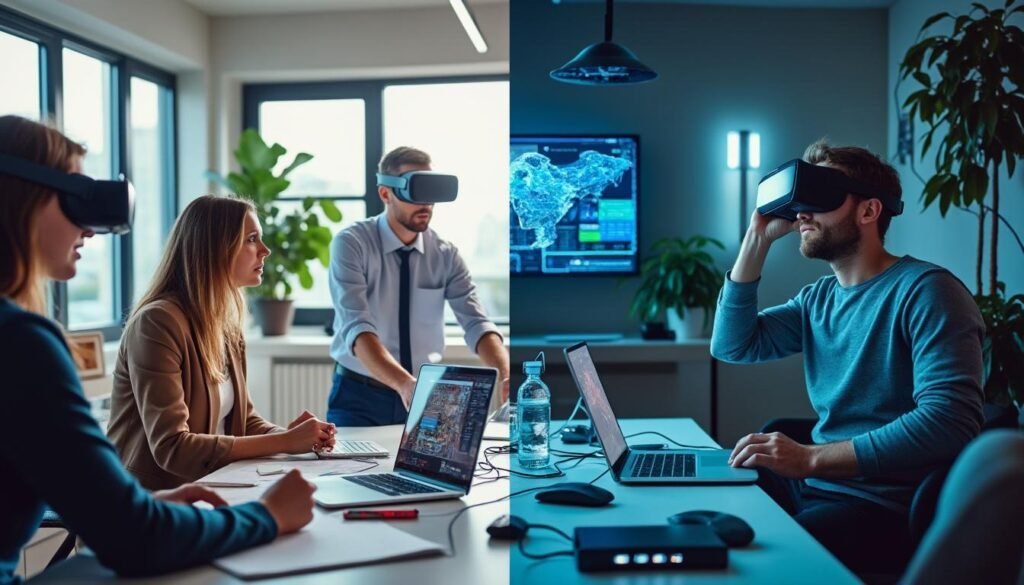
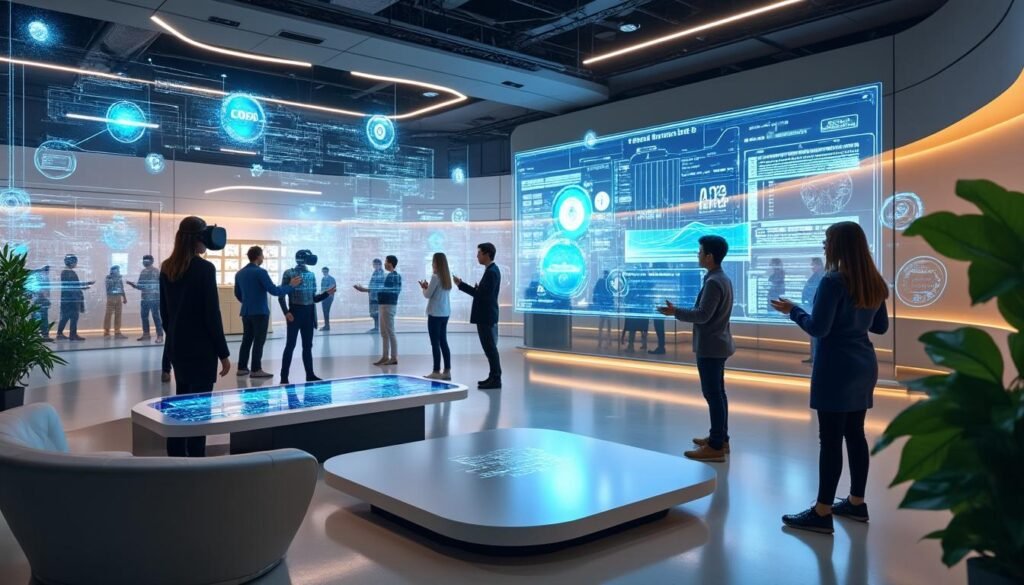

For years, the narrative has often painted artificial intelligence as the technology poised to steal the thunder from extended reality. The reality, however, is far more collaborative. Rather than competing for the spotlight, AI is emerging as the most crucial catalyst for XR, a symbiotic partner that could finally unlock its mainstream potential. This isn’t a replacement; it’s a completion. AI serves as the intelligence backbone, while XR provides the immersive, graphical front-end, creating an up-and-coming power couple in the tech world.
How AI and XR Create a Powerful Tech Synergy
The idea that AI and XR are mutually exclusive technologies misunderstands their fundamental functions. Spatial computing creates the environment, the digital space layered onto our world. AI provides the intelligence to understand, adapt, and populate that space in meaningful ways. Think of it this way: XR builds the stage, but AI writes the script, directs the actors, and changes the set in real-time based on the audience’s reaction.
This powerful fusion was foreseen by tech pioneers like Magic Leap’s Rony Abovitz, who once described AI as “the technology that XR has been waiting for.” During his tenure, the company was already exploring this with Mica, a digital assistant envisioned not as a disembodied voice but as a lifelike, embodied hologram. AI provides the brain, and XR gives it a face, a body, and a world to interact with. This partnership is critical to moving XR from a niche technology to a ubiquitous computing platform, especially while consumer adoption has faced hurdles.
Generative XR: Shaping Dynamic and Intelligent Worlds
The rise of generative AI tools like Midjourney, which create stunning 2D artwork from simple text prompts, offers a glimpse into the future of 3D content creation. This same principle is now being applied to extended reality, giving birth to a concept known as “generative XR.” This represents a monumental shift for both developers and users.
For creators, the implications are transformative. Snap’s Lens Studio 5.0, for instance, has already integrated a GenAI suite. This provides developers with tools to rapidly prototype complex 3D assets and environments using simple text or image prompts, drastically cutting down development time and lowering the barrier to entry. This is just one example of new frameworks to help develop immersive experiences with greater ease.
From Static Experiences to On-the-Fly Content
For users, generative XR promises to move beyond pre-ordained, static applications. Instead, experiences will be created dynamically, tailored to the user’s commands, environment, and even mood. Imagine speaking a simple command like, “Show me a 3D model of a human heart for my biology class,” or, “Make Iron Man descend from the sky and land on that building.”
The system’s AI, processing through device sensors, could also generate content automatically. It could analyze scene lighting, weather, and time of day to create ambient, serendipitous overlays. This transforms XR from a tool you actively decide to use into an intelligent layer that enhances reality spontaneously, revealing exactly how AI and XR complete each other to build a truly responsive digital world.
Redefining User Interaction with Ambient and Intelligent XR
The ultimate goal of this convergence is to make technology feel less like a tool and more like a natural extension of our own senses. AI-driven XR will deliver personalized, intelligent content on the fly, making discovery and serendipity core attributes of the user experience. This “ambient intelligence” could manifest in countless ways, seamlessly integrating digital information into our physical lives.
This technology could breathe new life and unlock entirely new use cases that we are only beginning to imagine. The focus shifts from what the device can do to what the user needs in that exact moment.
- Personalized Navigation: Instead of looking down at a map, dynamic arrows appear on the sidewalk, guiding you to your destination while highlighting points of interest based on your known preferences.
- Contextual Education: Walking through a historical district, the stories of the buildings could be narrated by holographic figures, or a botanical garden could display the name and origin of plants as you look at them.
- Enhanced Shopping: In a retail store, your AR glasses could overlay customer reviews, comparative pricing, or promotional offers directly onto products on the shelf.
- Meditative Experiences: An application could generate calming visual and auditory effects that are perfectly synced to your biometric data and the natural environment around you, like the rhythm of the rain or the color of the sunset.
What is the fundamental difference between AI and XR?
Extended Reality (XR) is the front-end technology that creates immersive digital environments or overlays digital information onto the real world (including VR, AR, and MR). Artificial Intelligence (AI) is the ‘brain’ or intelligence backbone that processes information, understands context, and makes decisions. In this pairing, XR is the interface, and AI is the engine that drives it.
How does generative AI specifically help XR content creators?
Generative AI drastically accelerates the creation of 3D assets, textures, and even entire virtual environments. Instead of manually modeling every object, creators can use text or image prompts to generate prototypes and final assets in a fraction of a time. This lowers technical barriers and allows for more rapid experimentation and iteration.
Is AI-powered XR a threat to user privacy?
It’s a significant consideration. AI-powered XR systems will need to process vast amounts of personal and environmental data to function effectively, including what a user sees, where they go, and potentially even biometric data. Establishing robust privacy regulations, transparent data policies, and user-centric controls will be critical for building trust and ensuring responsible adoption.
What industries will be most impacted by the AI+XR combination?
The impact will be widespread. Key sectors include retail (personalized shopping), healthcare (surgical training and data visualization), manufacturing (remote assistance and digital twins), education (interactive learning models), and entertainment (dynamic and personalized gaming and media experiences).